
Hope +Wellness Blog
little snippets of advice for everyday challenges many people share

What Masked ADHD Looked Like for Me
I am just another woman diagnosed with ADHD much later in life.
When I was younger, I blamed both the hyperactivity and the inattention on anxiety. Being unfocused was justified by an upcoming test. Racing thoughts clouded my mind, causing me to misplace just about everything. I got in trouble for tapping under my desk because… well… I’m a tap dancer. An anxious tap dancer.

Q&A on Attachment Styles and Trauma with Lauren Maxwell, LPC, NCC
What is attachment trauma, and how does it often show up in adult relationships?
“Attachment trauma occurs in early childhood when our fundamental needs are unmet or inconsistently met. It manifests in adult relationships as a fear of abandonment, rejection, or being alone, feeling overwhelmed by our partner's emotional needs, or distrusting healthy love when it is presented.”
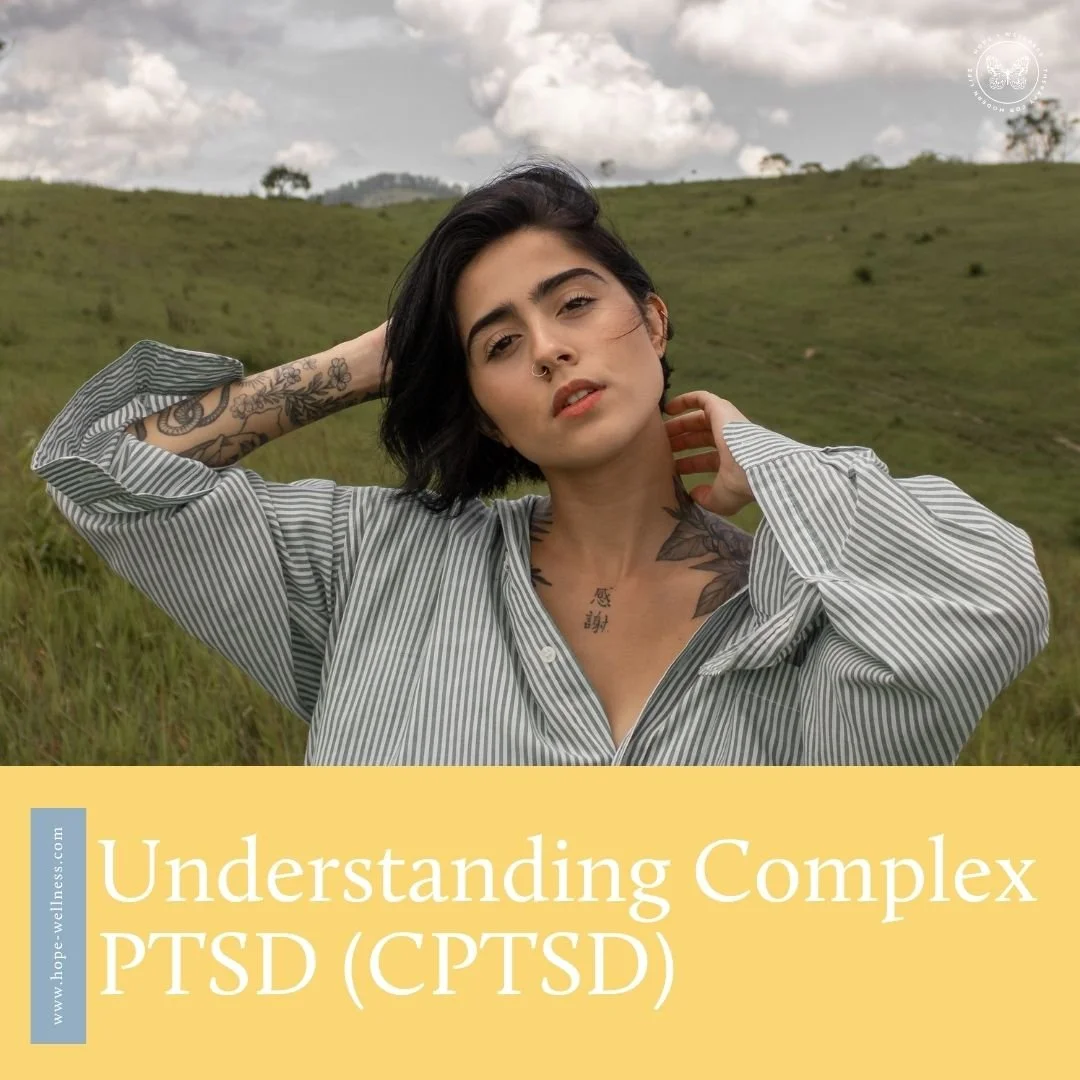
Understanding Complex PTSD (CPTSD)
Trauma comes in many forms, and one of them is called Complex Post Traumatic Stress Disorder, or Complex PTSD (CPTSD). Here’s what you should know about it.

9 Ways to Connect Back to Yourself After Divorce
If you’re going through a divorce, how can you connect back to yourself and figure out who you are in this new phase of your life? Here are 9 suggestions to get you started.

Let’s Talk About It: Mental Health in Women & Girls
What made you passionate about specializing in mental health for women and girls?
"I feel a deep sense of connection and community with other women by virtue of our shared experiences. Even though I work with women from all walks of life, who have experiences that differ from mine, there are certain things about which we have a shared understanding—something we don’t even need to speak to know it’s there. I’ve witnessed firsthand the amazing things women are capable of when we support and uplift each other, and I wanted my life’s work to reflect that."

Get to Know Stella Assefa, LCSW!
What originally drew you to becoming a therapist?
"This has always been one of my "fun facts" because of how far back my desire to be a therapist goes. I actually decided to become a therapist as a high school freshman - it all began in my art class with my childhood best friend. We both shared a love for art and decided to take this class together, and little did I know that our love for art was not the only thing that deepened. During this period this friend opened up to me about her upbringing, her struggle with her mental health and her home life. What I heard broke my heart and expanded it at the same time. I knew at 14 it was not common or recommended for me to hold space for something so intense, but what shocked both my guidance counselor and I was that the impact was nothing but positive. Having someone trust me with the most vulnerable parts of themself made me feel honored and fulfilled, not drained.”
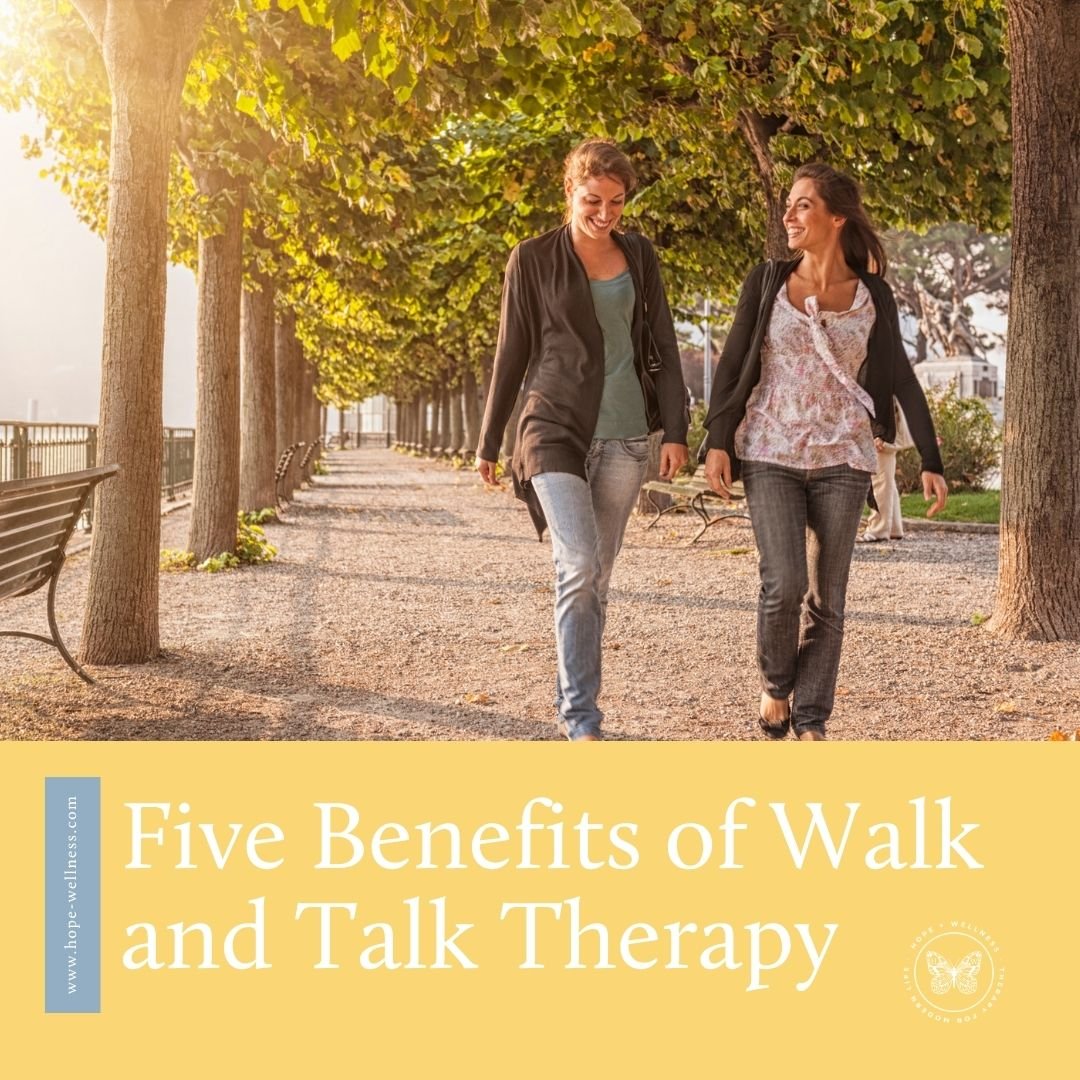
5 Benefits of Walk and Talk Therapy
The act of movement via slow to moderate walking as you walk with your therapist outdoors can help facilitate healing in a profound way.

Get to Know Emarie Drake, LICSW, LCSW - Part 2
How do you work to create a space where clients feel truly seen and safe?
“I aim to create a space where clients can bring their full selves, including the parts that feel clear and the parts that you don’t yet understand. I do this by listening without judgment, honoring boundaries, and moving at a pace that feels right for each person. Safety, to me, is built through trust, openness, and ongoing collaboration.”

When Doubt Won’t Let Go: Understanding OCD
Obsessive-compulsive disorder (OCD) is often misunderstood as being about cleanliness or liking things labeled and arranged a certain way. In reality, OCD is defined by:
Obsessions: intrusive, unwanted thoughts, images, or urges
Compulsions: repetitive behaviors or mental acts (rituals) done to reduce anxiety caused by those thoughts
OCD has some common themes (harm, moral scrupulosity, contamination, sexual, false memory, just right, etc.), but it isn’t really about germs, morality, or safety. At its core, it’s about an intense intolerance of uncertainty.
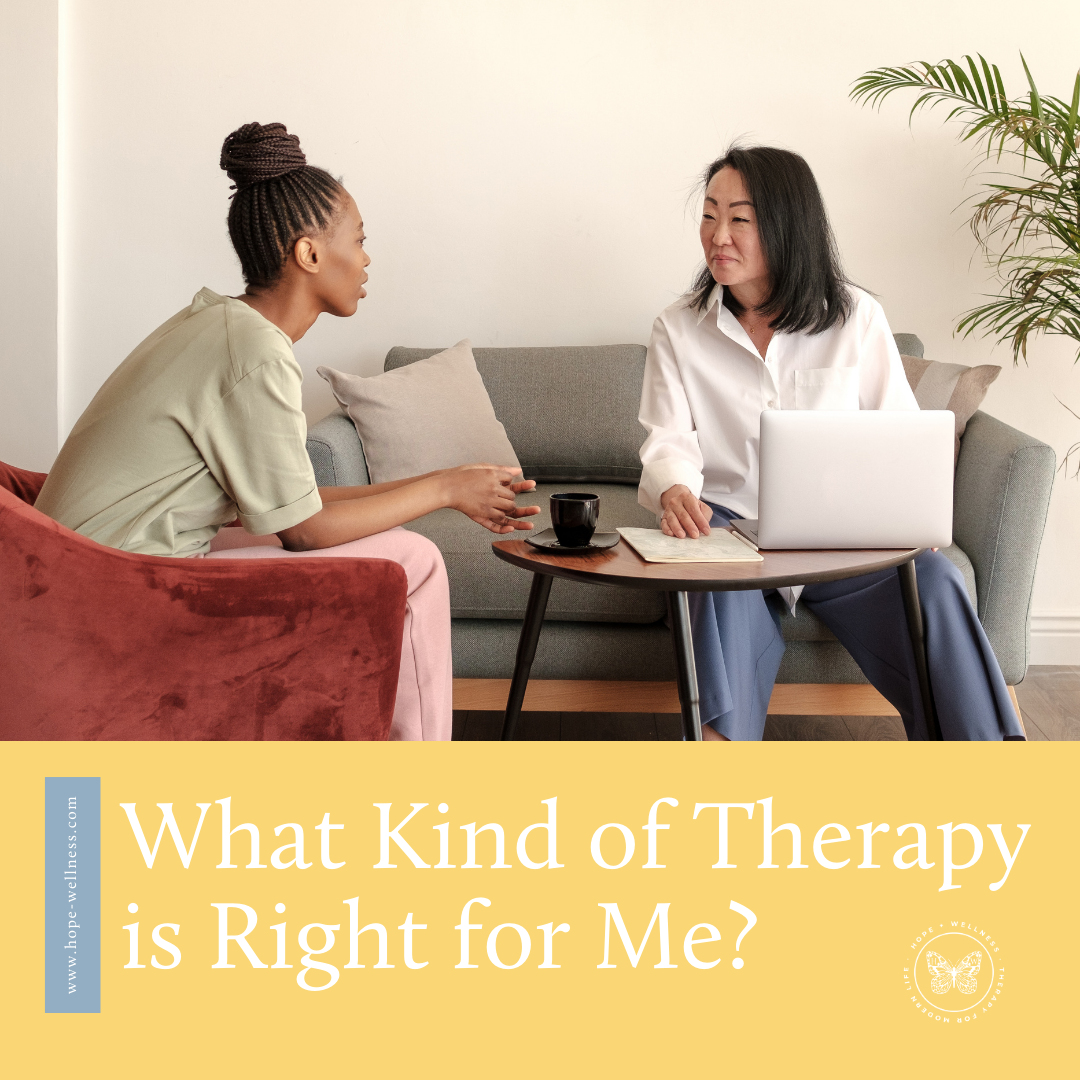
What Kind of Therapy is Right for Me?
A modality is the way a therapist practices therapy. It is the “mode” in which therapy is done–AKA how your therapist guides you through the process of treatment. Not every therapist offers the same type of treatment, and depending on the type of support you’re looking for, some modalities may be more effective than others! Read on for a few brief introductions to 6 different types of therapy available at Hope+Wellness.
Hope+Wellness is a mental health practice specializing in the treatment of depression, mood, stress, and anxiety in kids, teens, and adults. This is a blog about living well and finding meaning and purpose in the face of difficult challenges. This is a blog about finding hope.
Archive
- ACT
- ADHD
- Acceptance
- Anxiety
- Authenticity
- Belonging
- Bipolar
- CBT
- Calming
- Change
- Chronic Illness
- Chronic Pain
- Communication
- Community
- Coping Skills
- DBT
- Dating
- Depression
- EMDR
- Emotions
- Entrepreneurs
- Friendship
- Gratitude
- Grief
- Health Psychology
- Hope
- Inspiration
- Intimacy
- Intuition
- Joy
- Letting Go
- Love
- Manic Depression
- Mindfulness
- Miscarriage
- OCD
- Parenting
- Personal Growth
- Positive Vibes
- Quotes
- Relationships
- Resources
- Self-Compassion
- Self-Reflection
- Services
- Sleep
- Spirituality
- Stress Management
- Stress Relief
- Suffering